The Queensland Government has unveiled the Queensland Future Timber Plan — a long-term strategy designed to provide certainty for the forestry and timber industries while supporting regional jobs, sustainable growth and infrastructure needs.
Developed in collaboration with key industry, research, and community stakeholders, the Plan outlines a 25-year vision to secure the timber needed for the government’s target of one million new homes by 2044.
The ARC Advance Timber Hub has been closely involved in this process through membership of the Timber Supply Chain Ministerial Stakeholder Roundtable and direct engagement via Hub Director, Professor Keith Crews.
“It has been a great privilege for me to represent the ARC Advance Timber Hub in contributing to this significant policy development, which has been developed to ensure a sustainable timber supply to meet future housing needs for Queensland,” Professor Crews said.
The roundtable also included representatives from Timber Queensland, AgForce, Queensland Farmers’ Federation, the Housing Industry Association, Forestry Australia, HQPlantations, Australian Forest Contractors Association and leading timber companies (such as Hub Partners, AKD & Hyne).
The Hyne Group CEO, Jim Bindon stated, “Our industry and its products are not only essential for building family homes and much needed infrastructure, but also for their by-products used in the manufacture of pallets, particle board, packaging, commercial scale potting mix to grow fresh food – to name a few.
“The Government is acutely aware, that as the population increases, demand for these products is only increasing, as is the need to provide employment amidst thriving, regional communities such as the Wide Bay.
“The need for secure, plantation pine volumes goes hand-in-hand to meet this demand which needs to be planned for now. As stated in the report, ‘The decisions we make today will shape timber supply well beyond 2050’.
“On behalf of the Hyne Group, we congratulate the Queensland Government and its collaborative approach in developing and delivering the Queensland Future Timber Plan.”
The Queensland Future Timber Plan focuses on five key pillars:
- Supply — securing sustainable timber resources for housing, construction and industry.
- Supply chain and market development — enhancing competitiveness on an international scale.
- Regulatory framework — modernising regulation in a way the community supports.
- Workforce — building and retaining a fit-for-purpose workforce in rural and regional economies.
- Research, development & extension (RD&E) — leveraging innovation to modernise the forestry and timber sector.
Among its major commitments, the Plan sets a target to expand Queensland’s plantation estate by 25,000 hectares by 2050, modernise forest management systems, and maintain both plantation and native forest resources to meet ongoing housing and infrastructure demand. Sustainable selective harvesting of native hardwoods will continue in state-owned and privately owned forests, while no reintroduction of harvesting will occur within the South East Queensland Regional Plan area.
“The Plan provides the certainty and direction needed to rebuild confidence across the sector”, Minister for Primary Industries Tony Perrett said. “The Queensland Future Timber Plan will help rebuild Queensland’s forestry and timber industry to build more homes for Queenslanders. Timber is the ultimate renewable resource—it captures and stores carbon and requires less energy and carbon emissions than materials like concrete and metal.”
Timber Queensland Acting CEO, Clarissa Brandt, welcomed the Plan as a balanced and forward-looking strategy that provides long-overdue certainty for the sector and regional communities, “This plan is a major step forward for Queensland’s forest and timber industry. For the first time in decades we have a long-term strategy that recognises the essential role our industry plays in housing, construction, regional jobs and environmental outcomes, setting a clear direction for growth and sustainability.”
Mrs Brandt added that the Plan’s five core focus areas align with the priorities raised by industry during consultation, including the need for long-term resource security, plantation investment, and support for private native forestry. “This Queensland Future Timber Plan is a strong foundation. With the right investment and collaboration, we can ensure Queensland’s most renewable resource continues to deliver for future generations.”
Over 1.35 million Queenslanders were reached through consultation, with more than 350 people directly engaged and 550 ideas gathered to inform the Plan’s first five-year action agenda. This broad consultation underscores the Plan’s collaborative nature and the shared commitment between government, research, and industry to ensure Queensland’s timber future remains sustainable and globally competitive.
The Queensland Future Timber Plan strongly aligns with the mission of the ARC Advance Timber Hub, to foster innovation across Australia’s timber value chain through collaborative research and partnerships with government, industry, and academia. The Hub’s contribution to the Plan reflects its commitment to ensuring Queensland’s timber future is both sustainable and forward-looking. Through ongoing research in areas such as engineered timber systems, circular economy design, and advanced manufacturing, the Hub will continue to support the Plan’s objectives and the broader goal of delivering low-carbon, renewable materials for Australia’s built environment.
For more information and to download the plan, visit the Queensland Government website:
Queensland Future Timber Plan

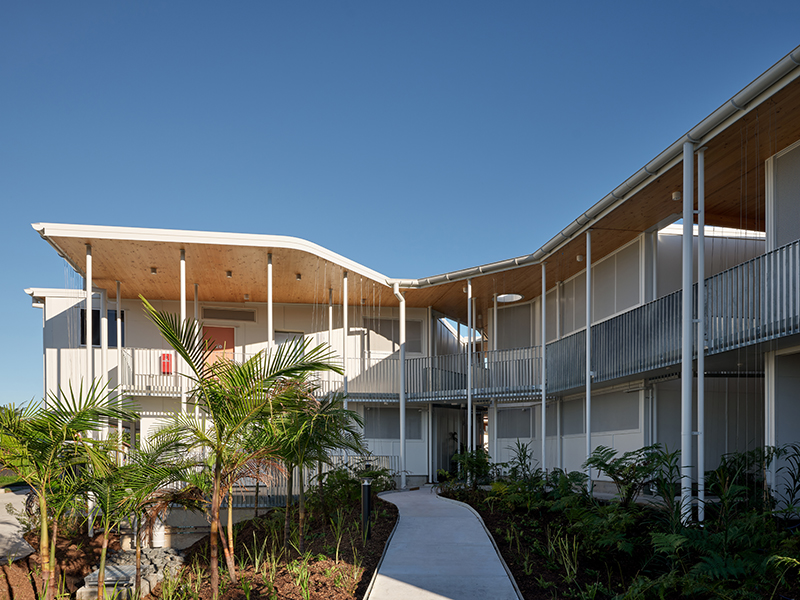
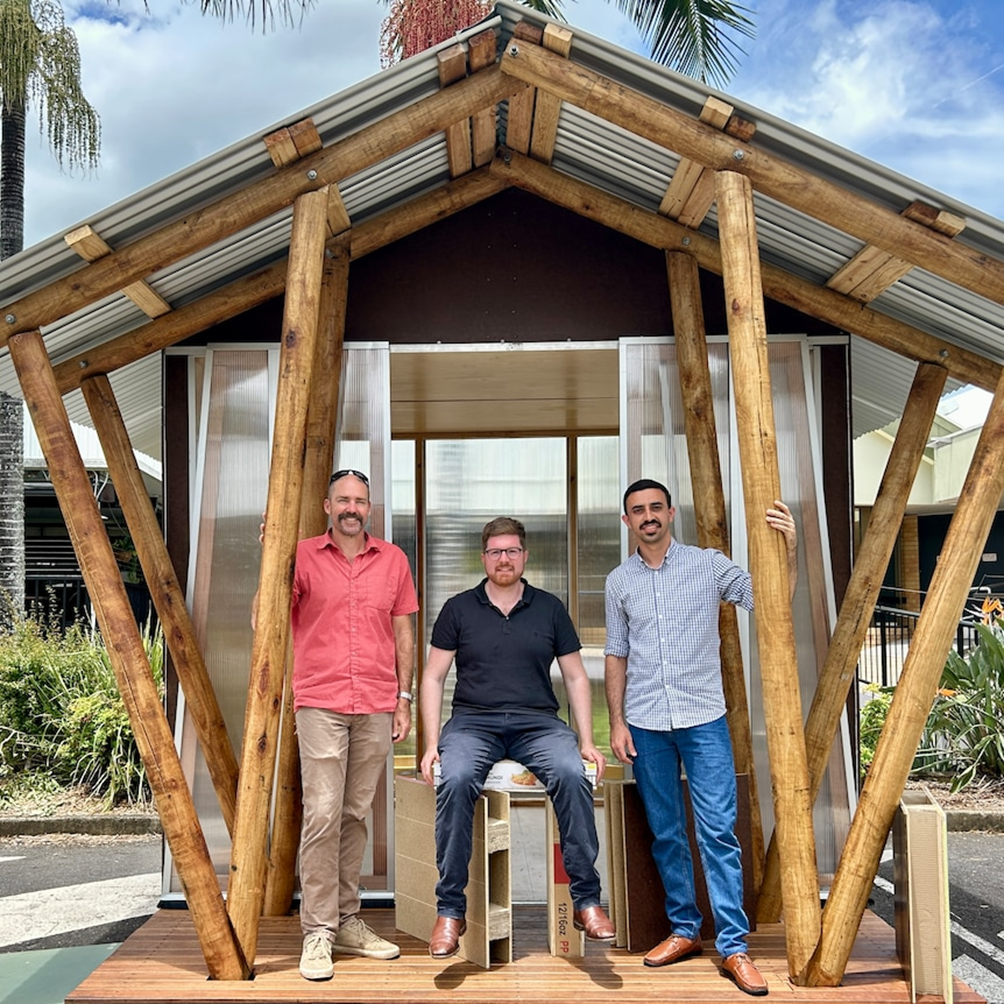
 “By rethinking how we use Australia’s existing timber and wood by-products, this project aims to demonstrate that affordable housing solutions can be delivered using locally sourced, low‑embodied‑carbon materials,” Associate Professor Gattas said. “Our focus is on practical, adaptable construction systems that maximise value from underutilised resources, support regional supply chains, and respond to the rapidly growing demand for small-footprint and prefabricated buildings.”
 Photo: (L-R) Prof. Andrew Rose (Southern Cross University), A/Prof Joe Gatass (UQ Civil Engineering), and PhD Candidate Mahmoud Abu-Saleem (UQ Civil Engineering) at Lismore prototype exhibition.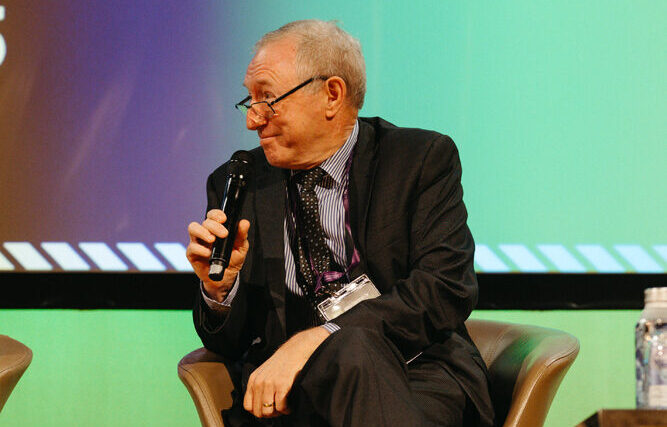


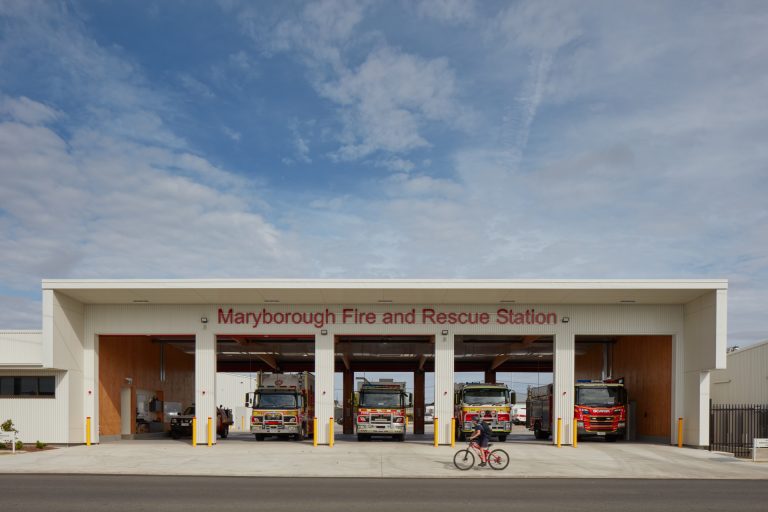
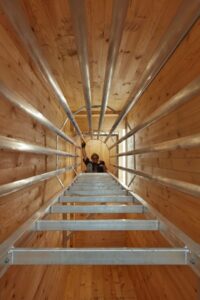

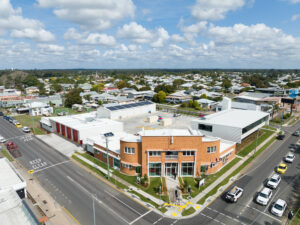
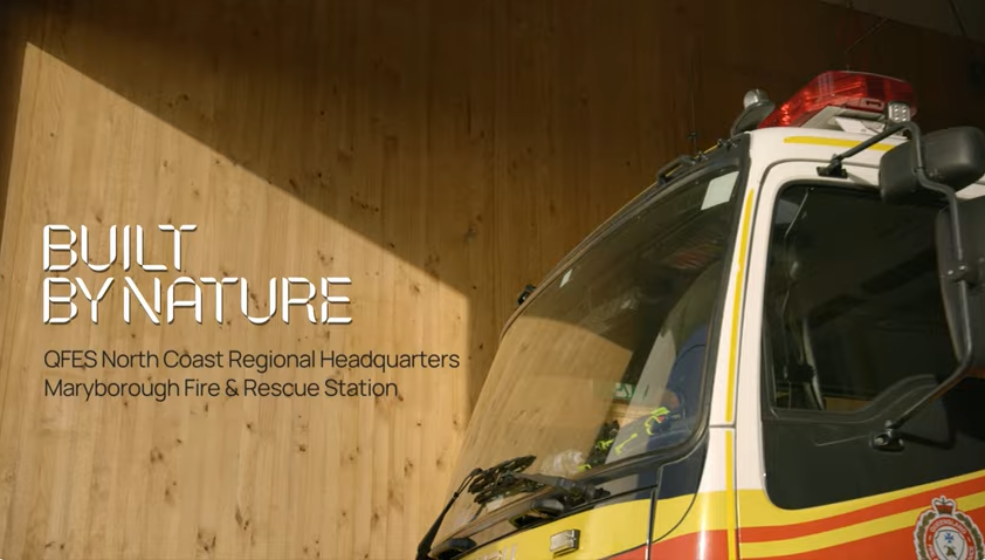
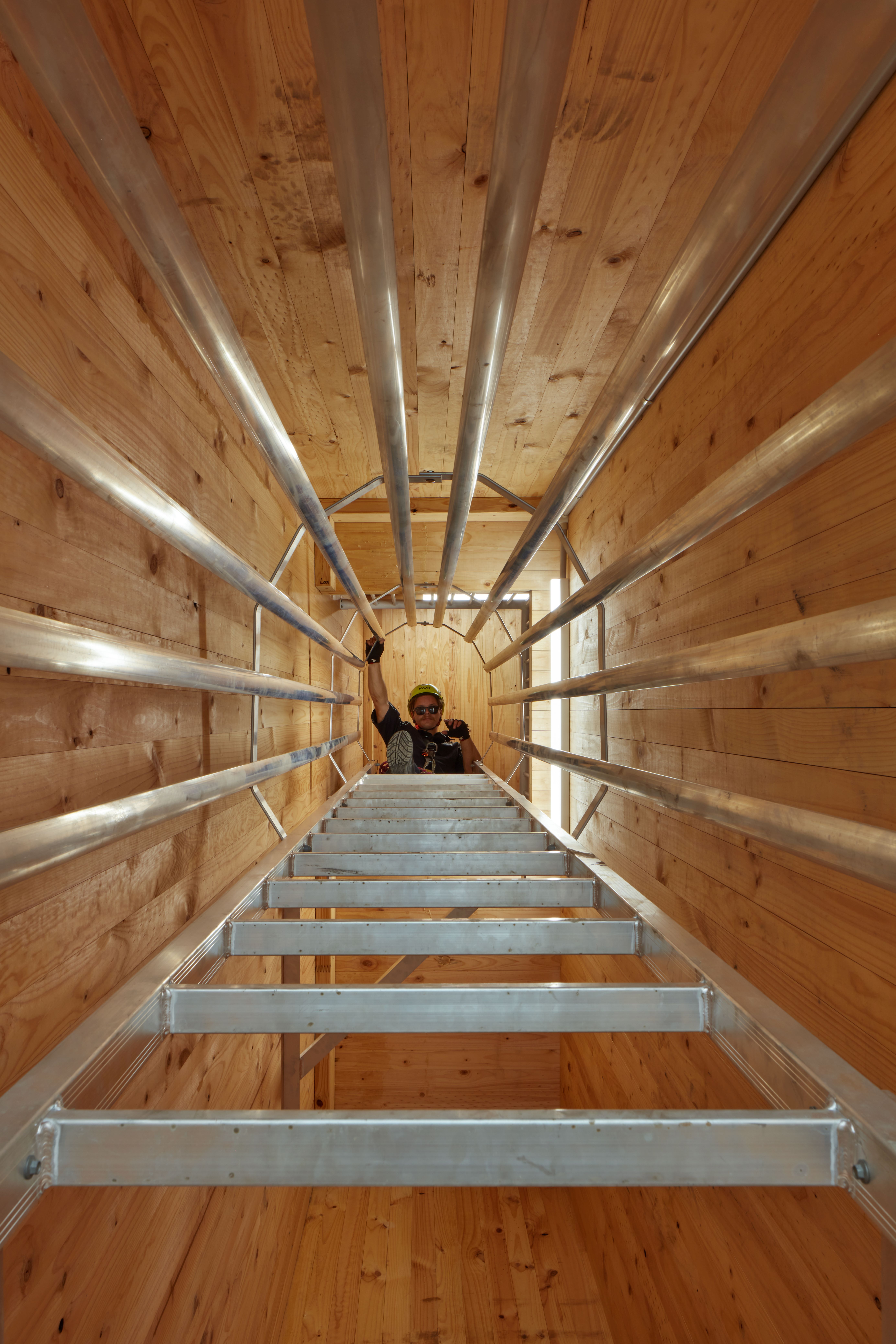 “This was the Southern Hemispheres first contemporary, engineered timber fire station and home to the regional operations, fully supported by fire engineering experts.